Reading America Through the Wrapper: A Studio's Edible Field Notes
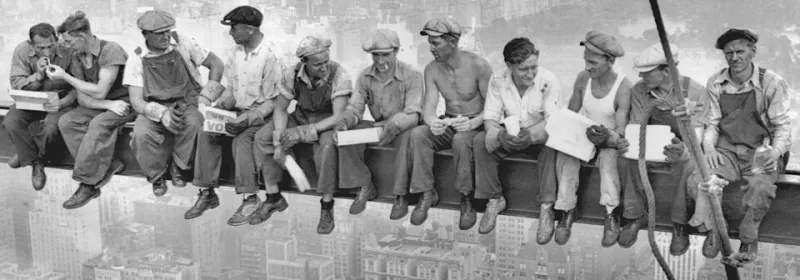
Photo: Charles Clyde Ebbets, Public domain, via Wikimedia Commons
Every architect keeps two sets of records. The first lives in filing cabinets: drawings, specifications, punch lists, photographs of half-poured footings. The second is unofficial, unarchived, and far more honest. At Studio 8, the second set is written in food.
For over thirty years we have traveled to construction sites across the United States, and on every trip we have eaten what the place ate. Not at destination restaurants — at the counter of the diner nearest the site, at the gas station on the county road, from the folding table where the crew unwraps its lunch. Taken together, those meals form a ledger no software could produce: an account of how America builds itself, one sandwich at a time.
The Coffee Tells You the Town
Rust-belt site visits begin with coffee that does not apologize. In Youngstown, in Flint, in the mill towns along the Monongahela, the diner cup arrives heavy and hot, refilled without asking. The waitstaff know the foremen by name because the foremen eat there every morning before the seven o'clock call. Sit long enough and you learn the project's real schedule — not the one in the contract documents, but the one governed by shift changes, union breaks, and the second cup of coffee.
That coffee is a diagnostic instrument. Where it is thick and cheap, labor is local and long-tenured. Where it comes in a paper cup from a drive-through forty minutes away, you are likely in an exurb, and the crew commutes, and the subcontractors have never met the developer. Buildings absorb these differences. A town where workers eat together tends to build with care; a town where workers eat alone in trucks tends to build with speed.
The Exurban Gas Station as Field Office
The exurbs taught us a different vocabulary. Here the meal is a transaction: jerky, a protein bar, a 32-ounce fountain drink consumed at 65 miles per hour. The construction culture matches the cuisine — subbed out, sequenced, delivered. Materials arrive from three states away; the framing crew may sleep in a motel two counties over. When we designed in these regions, we learned to specify not just products but logistics, because the nearest skilled mason might be a two-hour drive from the site, and the detail that looks simple on paper becomes a day of travel.
Yet there is generosity in these places too. The gas-station clerk who holds a table for the drywall crew; the taco truck that appears at the subdivision entrance at noon with uncanny precision. The best exurban projects are the ones where someone — often a project manager with no architectural training — has built a lunch culture from nothing, and quality follows.
Crew Food, Regional Diets, Regional Materials
What crews eat maps onto what regions build. In the Carolinas, the site lunch is often a thermos of something slow-cooked, shared — a culture of barbecued patience that shows up in craft brickwork and generous porches. In Texas, brisket and breakfast tacos come with an appetite for scale; the details are big, the gestures confident, the steel heavy. In the Pacific Northwest, where we once watched a crew split a pot of salmon chowder under a tarp, the wood comes from down the road, and the joinery reflects a population that can smell green lumber at fifty paces.
These are not folkloric curiosities. They are procurement intelligence. Regional diets are regional supply chains in miniature: what is near, what is cheap, what is skilled. A studio that tastes the region understands its material economy before the first specification is written.
The Folding Table as Design Studio
Our most valuable consultations have never occurred in conference rooms. They happened standing up, holding a paper boat of fries, while a foreman explained why the corner detail would fail in a freeze-thaw cycle. The folding lunch table is the most democratic space in American construction. On it, hierarchies flatten. The laborer's observation about water pooling in the parking bay is worth more than any render.
We have formalized this into studio practice: no site visit ends without a shared meal with the people building the work. We budget for it the way we budget for surveying. The return on investment, measured in avoided errors and earned trust, is extraordinary.
A Ledger Worth Keeping
Thirty years of sandwiches have taught us that architecture is not only drawn and built — it is fed. The meal is where a place tells you the truth about itself: who works there, how far they travel, what the ground yields, how long anyone plans to stay. Any studio that ignores the lunchbox is reading only half the site.
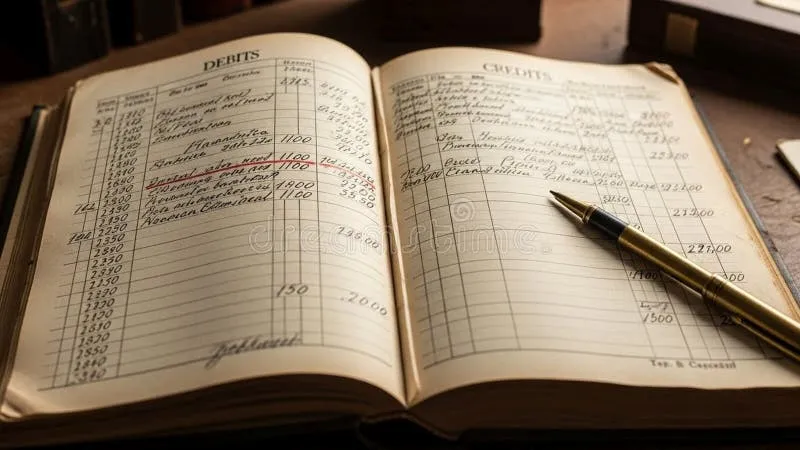
We still keep the ledger. The drawings get archived; the meals get remembered. Both, in their way, are documentation of how America builds.