The Drawer of Discarded Lines: What Studio 8 Refuses to Show You
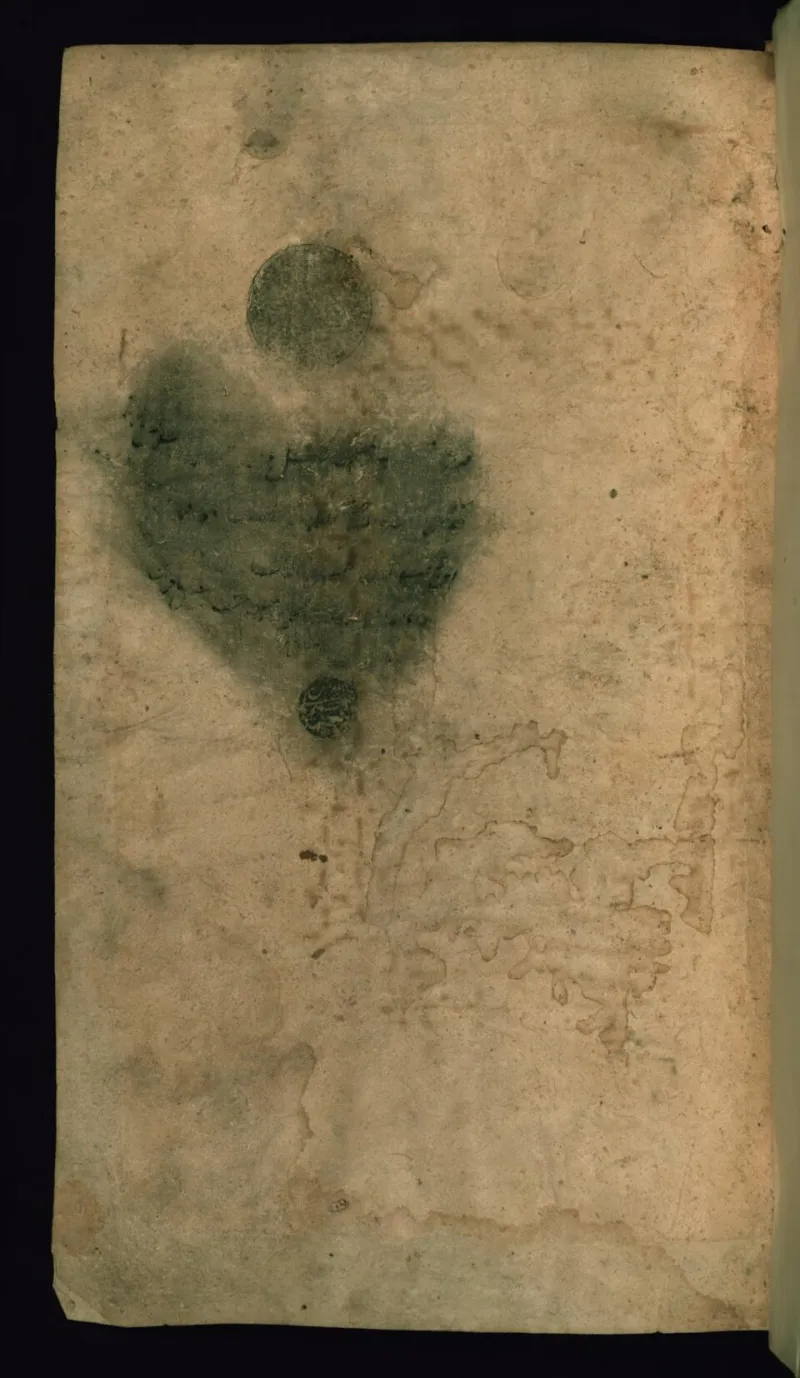
Photo: Anonymous (Iran)Unknown author, Public domain, via Wikimedia Commons
There is a flat file drawer in the corner of our studio that no client has ever opened. It holds the ghosts: sheets of tracing paper scarred by eraser rub, schemes abandoned mid-line, margins crowded with ideas that died before they earned a second draft. We call it the drawer of discarded lines, and in many ways it is the most honest archive we keep.
Visitors to Studio 8 often assume that a practice built on hand drawing produces a tidy record — one sketch becoming one drawing becoming one building. The truth is messier and, we believe, more instructive. Every drawing we publish has been preceded by dozens we have chosen to suppress. Deletion, we have come to understand, is not the opposite of design. It is design.
The Ethics of the Eraser
An eraser is a strange instrument. It does not add; it withdraws. And yet the decision of what to withdraw shapes a project as decisively as anything drawn. When we rub out a wall from a plan, we are making an argument about how a family will live. When we remove a gesture of ornament from an elevation, we are deciding what deserves the eye's attention and what merely competes for it.
American clients, in particular, respond to this discipline. The American landscape — from suburban infill lots in Denver to narrow rowhouse parcels in Philadelphia — rewards restraint. Space is contested, budgets are finite, and every unnecessary element exacts a cost in maintenance, money, and mental load. A drawing that says less often promises a building that gives more.
We keep the scarred tracing paper on file not out of sentiment but out of accountability. When a client asks why a certain move was rejected, the answer is pinned to a physical sheet: here is the moment we reconsidered. The erasure has a date, a pressure of hand, a visible hesitation. Digital files delete cleanly and forget completely. Paper confesses.
What Subtraction Buys
Consider what a finished drawing actually withholds. It omits the three entrance sequences we tried before finding the one that feels inevitable. It omits the window configuration that performed better in our daylight studies but would have faced the neighbor's bedroom. It omits a hundred small compromises and refinements, each one a private negotiation between ambition and reality.
This withholding is a gift, not a deception. A client who sees only the resolved drawing receives a building that feels settled rather than negotiated — a house that seems to have always existed on its lot. There is a particular American ideal in this: the notion that good design should appear effortless, even when the effort was considerable.
Reading the Ruins
Occasionally we revisit the drawer, and the rejected sheets teach us things the finished work cannot. A scheme abandoned five years ago sometimes contains an idea whose time has finally come — a courtyard configuration, a stair typology, a material palette waiting for the right client or the right site. The failures are not dead ends; they are dormant capital.
We have also noticed that the margins of working drawings — the scribbled notes, the crossed-out dimensions, the small perspective vignettes testing a view — reveal a studio's true priorities more plainly than any polished presentation. You can tell a great deal about us by what we crossed out.
An Invitation of Sorts
We do not intend to publish the drawer's contents. Some things belong to the process, and part of our service is absorbing that process so our clients never have to. But we offer this account as a quiet argument for the value of what remains invisible. The next time a drawing feels inevitable — a plan that resolves, an elevation that breathes — know that it earned that ease through subtraction.
The pencil proposes. The eraser decides. And somewhere in a flat file in our studio, the evidence waits, half-erased and unrepentant.