The Salt Flat Taught Me Restraint: A Traveler's Notebook of American Ground
Photo: Francesco Lorenzi, CC0, via Wikimedia Commons
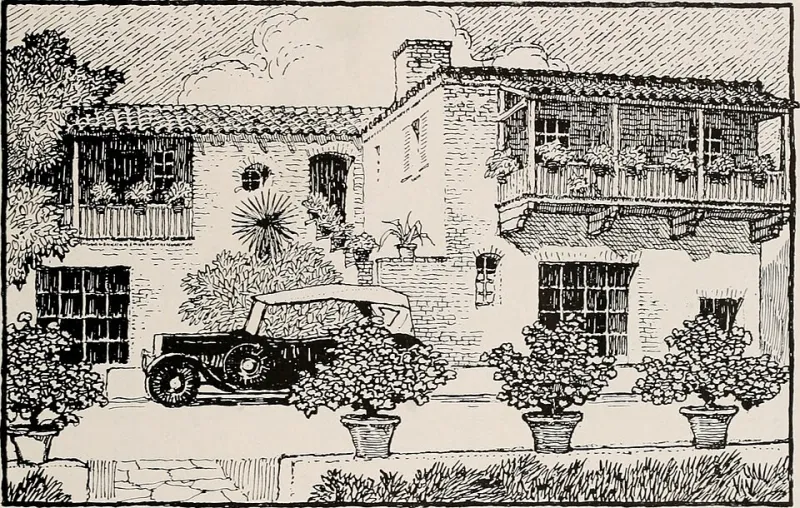
Architects like to believe their hand is their own. I have come to doubt this. After three decades of drawing, I can trace specific lines in my drafting — a hesitancy here, a boldness there — back to particular pieces of ground. America has been a generous teacher. What follows are five landscapes, five drawings from the Studio 8 archive, and five lessons I did not know I needed.
1. The Bonneville Salt Flats, Utah — The Lesson of Restraint
Nothing prepares a European-trained eye for the salt flats. The horizon is not a line; it is a suggestion. Standing there in 2009, sketchbook open, I found that any mark I made was too much. The drawing that survived the trip — a study for a pavilion later adapted into our Great Basin proposal — is nearly empty. A single horizon rule, a shadow line, and a small dark rectangle for the structure. Everything else is paper.
Since Bonneville, I begin every project by asking what the drawing can do without. Restraint, once learned on the salt, is difficult to unlearn.
2. The Columbia River Gorge, Oregon — The Lesson of Section
The gorge taught me that the Pacific Northwest is a section, not a plan. Basalt walls rise eight hundred feet on either side of a river that has been cutting for millions of years, and the light arrives at the canyon floor in narrow, deliberate doses.
The archive holds a sectional study from 2014, drawn in two weights of ink, for a library concept sited on the Washington side. It taught me to draw buildings as vertical negotiations with light rather than arrangements in plan. Several of our courtyard houses since then owe their proportions to that section.
3. The Grid of Manhattan — The Lesson of Repetition
I have drawn the Manhattan grid more times than I can count, and it defeats sentimentality. The blocks repeat; the discipline is in the variation. My 2017 ink study of a Midtown block — one of the few archive drawings we have reproduced as a print — uses a repeated stroke for each facade, allowing the ink load to vary almost imperceptibly until the street reads as a rhythm rather than a row.
The lesson: repetition is not monotony. It is a container for difference. Our subsequent work on infill housing in American mid-sized cities has applied this relentlessly.
4. The Painted Desert, Arizona — The Lesson of Layering
Sediment is time made visible. Crossing the Painted Desert by rail, I filled a sketchbook with horizontal bands — not because the drawings were good, but because the landscape refused to be drawn any other way. Each band carried different pressure, different ink, different information.
That trip changed my drafting technique permanently. I began building drawings in layers, allowing earlier lines to remain visible beneath later ones. Clients sometimes ask why our presentation drawings look like they contain their own history. The Painted Desert is why.
5. The Mississippi Delta, Louisiana — The Lesson of Patience
Water moves slowly in the Delta, and so does the landscape's logic. Levees, bayous, and ridges record decisions made across centuries, none of them final. The drawing that came out of a 2019 residency — a plan study for a flood-adaptive civic building, still in the archive — took four attempts because I kept trying to resolve what the ground itself refuses to resolve.
The Delta taught me that some sites should be drawn in pencil for a long time before anything is committed in ink. In design terms: some contexts reward accommodation over assertion.
What the Ground Knows
I return to these five landscapes in my mind whenever a new project begins. They are not influences in the fashionable sense; they are instructors whose corrections are still arriving. Every drawing in the archive carries a piece of American ground in its line weight, its patience, its omissions. That, I suspect, is the real reason we still draw by hand — the hand remembers what the land taught it.